NeurIPS CDMX Trip
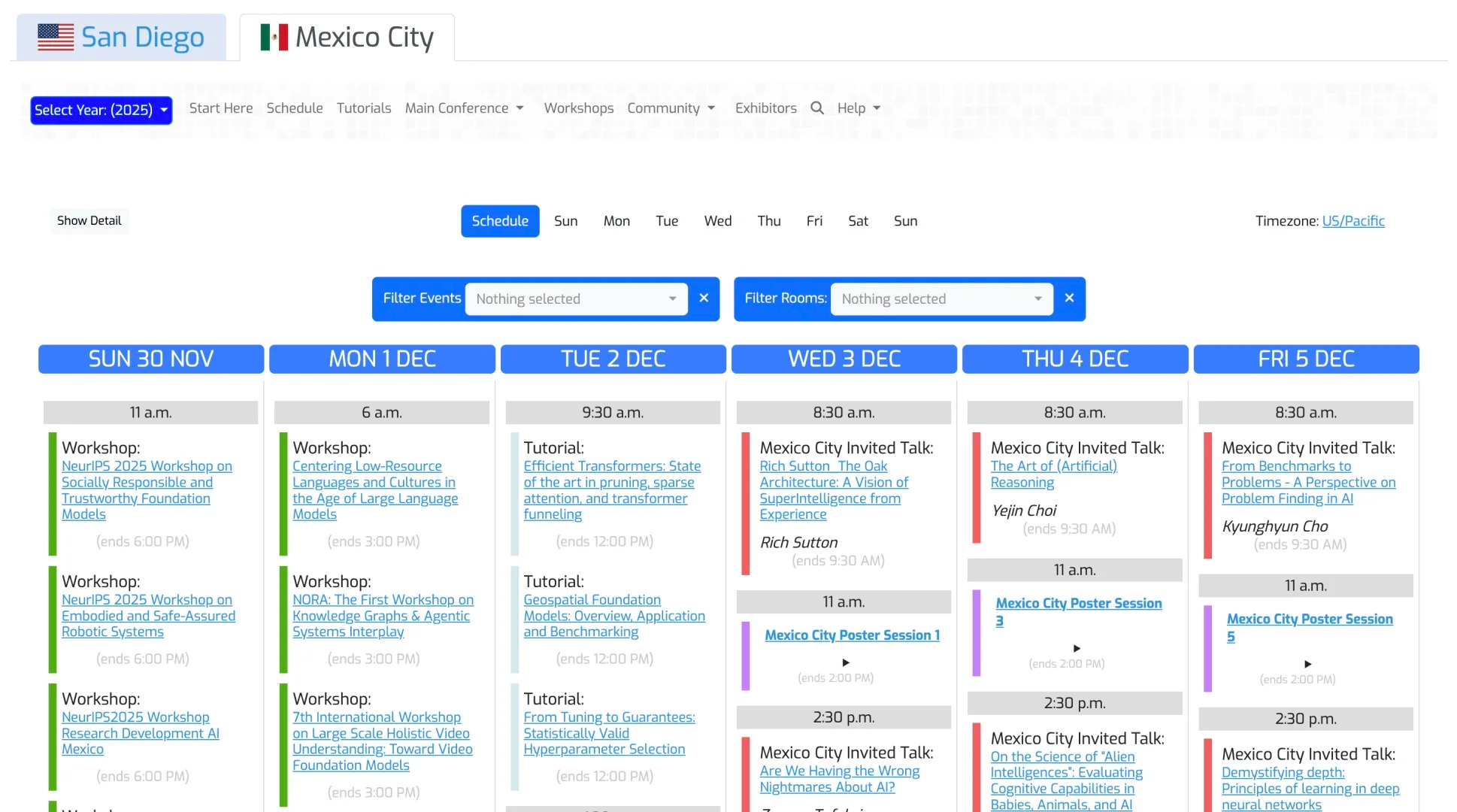
A Historic First: Two Locations for NeurIPS
For the first time in its history, NeurIPS made a groundbreaking decision to host the conference across two locations simultaneously: San Diego and Mexico City (CDMX). This unprecedented move reflects both the conference's tremendous growth and its commitment to accessibility. By offering dual venues, NeurIPS opened its doors to researchers who might face visa challenges or geographical barriers, ensuring that the global ML community could participate regardless of their circumstances. The dual-city model represents a bold experiment in making top-tier academic conferences more inclusive and accessible to the international research community.
Being Appointed as NeurIPS Workshop Chair
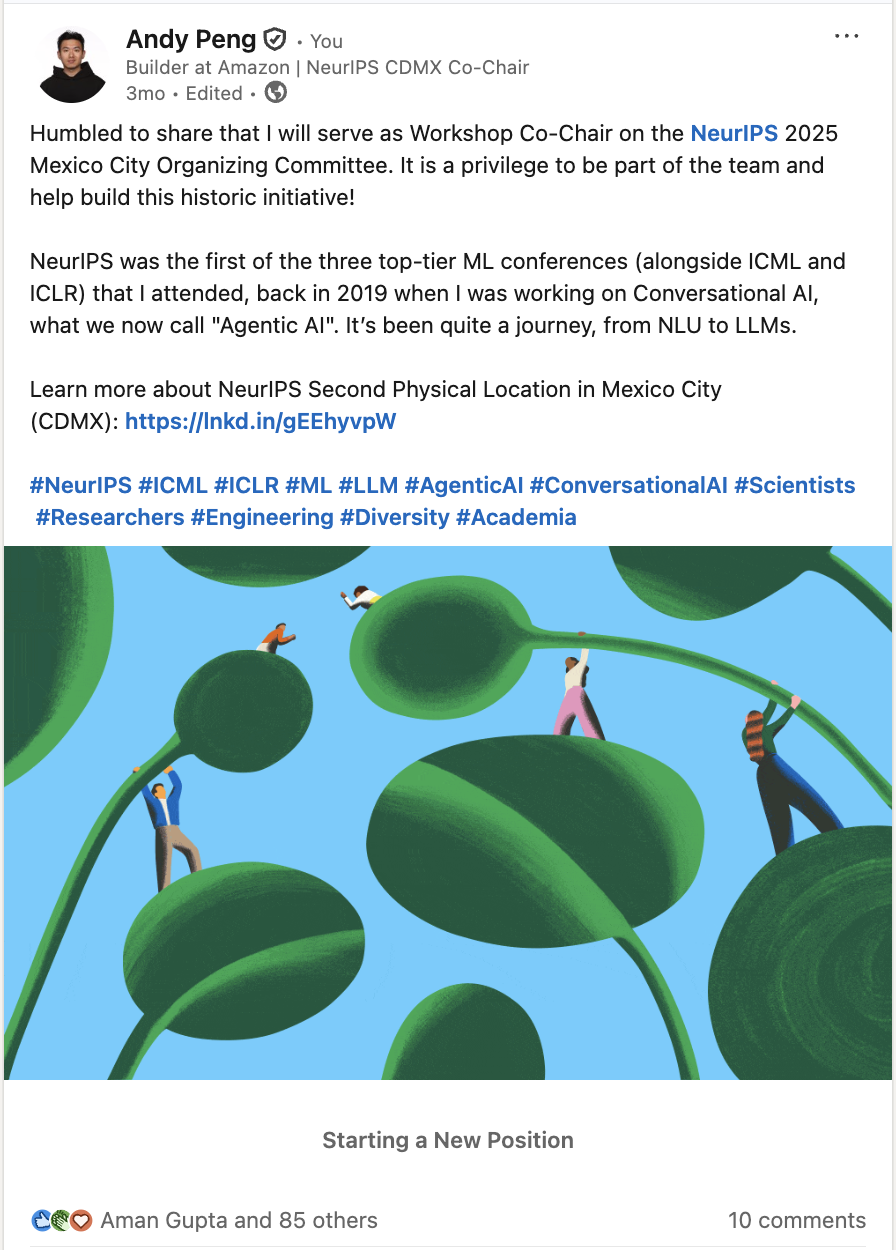
I received the appointment as a Workshop Chair for NeurIPS CDMX this August. Having previously attended events such as KubeCon in San Diego, the opportunity to visit Mexico City—a place I've never explored—feels especially exciting. Contributing to this historic dual-location conference while experiencing a new cultural setting makes the role particularly meaningful, and it's a privilege to help support the research community and facilitate academic exchange in this new format.
An Interlude: The ICLR 2026 OpenReview Issue
During the same period, the academic community was grappling with a significant technical issue at ICLR 2026. I received an invitation to serve as a reviewer for ICLR 2026 in September. After setting my review preferences, I did not receive any paper assignments at that time. Shortly afterward, issues with the OpenReview system became public, affecting numerous reviewers across the community. While the incident remains under investigation, it has sparked important discussions about the infrastructure supporting academic review processes. Thanks to people's sharing on social media, like the tweet by @gan_chuang, I learned that UMass Amherst Professor Andrew McCallum has been hosting and maintaining the platform for many years on a non-profit basis. NeurIPS also reaffirmed the Code of Conduct during the conference week due to this event and continues to monitor the situation.
Academic Conferences: No Longer a Simple Conference
My first NeurIPS was in Vancouver back in 2019, right before the pandemic changed everything. That conference hosted 13,000 participants. This year, as @pmddomingos tweeted, "NeurIPS this year: 30,000 attendees." The scale has more than doubled, but the nature has transformed even more dramatically.
Compared to previous conferences, platforms like Luma have become increasingly popular, a trend I first noticed at ICML this year. NeurIPS is no longer just about invited talks, paper posters, workshops, and tutorials. As the stage where the groundbreaking ‘Attention Is All You Need’ paper first appeared, setting in motion the Transformer architecture and the current LLM era, it has evolved into a bustling marketplace where companies, startups, and VCs prospect for and recruit LLM experts and top talent. The conference has become less purely academic in nature. After-hours meetups and networking events now draw larger crowds than many of the official conference sessions themselves. This represents the first visible divide I observed: the split between the academic mission and the commercial interests converging at these conferences.
NeurIPS vs re:Invent
The timing couldn't have been more symbolic. NeurIPS San Diego ran on the exact same dates as Amazon's re:Invent in Las Vegas. This scheduling conflict forced many practitioners and researchers to choose between the premier academic ML conference and the largest cloud computing industry event. Both present numerous noteworthy innovations and insights.
Open Source vs Closed Source: The PhD Dilemma
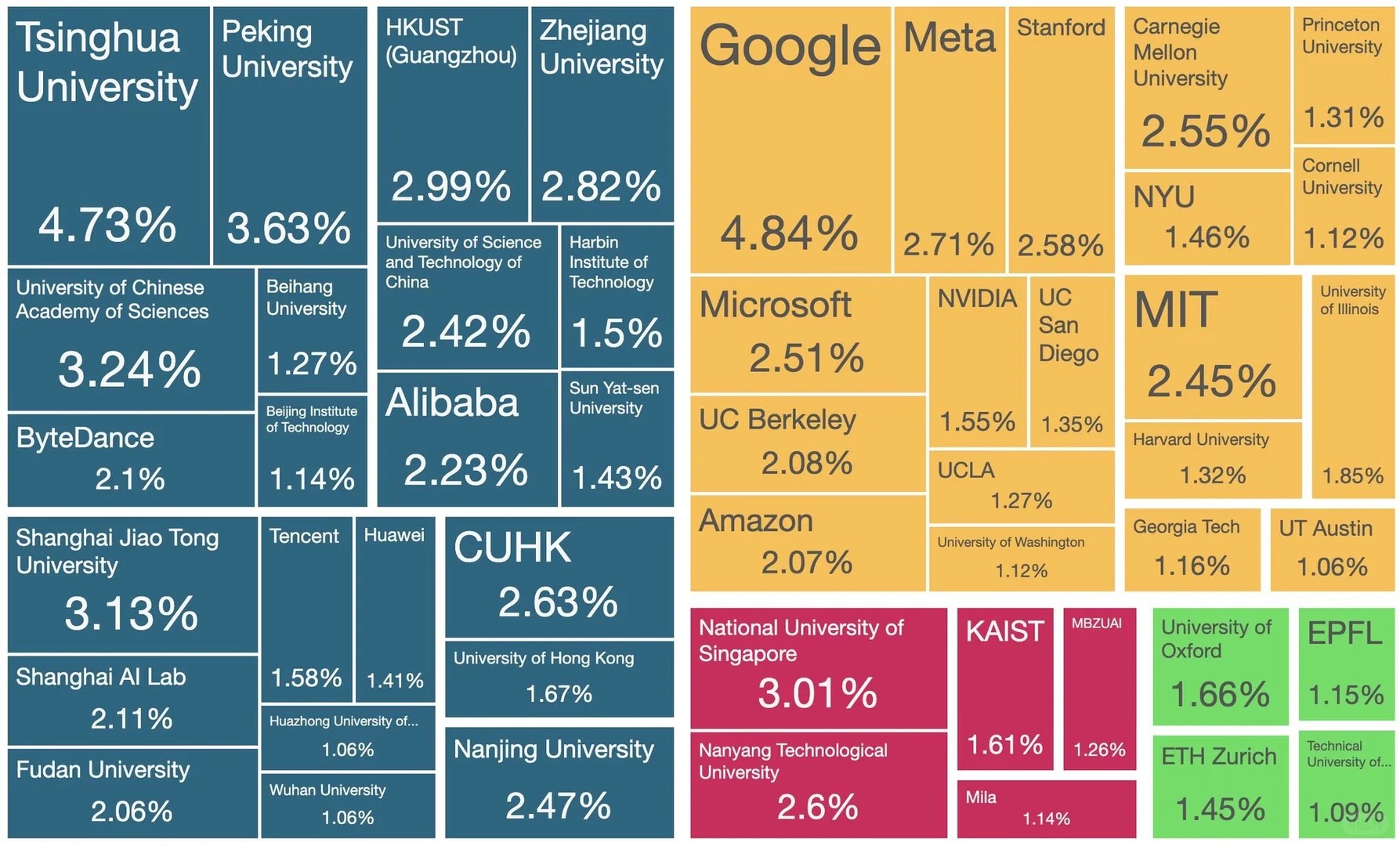
AI World released a report on the distribution of NeurIPS 2025 papers. On one hand, it shows how active different institutions are in research, on the other, it indirectly reflects their level of openness toward innovation.
An interesting trend has emerged among PhD students and early-career researchers: many are becoming reluctant to join core LLM departments at large companies. Instead, they're opting for less high-profile tracks like Ads or other areas, rather than the seemingly prestigious LLM and Agentic AI teams. The reason is sobering.
More and more large companies are limiting paper publications and pushing heavily toward business-driven product delivery. For PhD students and scholars, this creates a difficult equation: low return offer rates combined with zero paper output means minimal advancement in their academic career paths. The lack of openness and transparency around research means zero academic credits for their work. When your work remains behind closed doors, you can't build the publication record needed for academic positions or recognition in the research community.
This represents a fundamental conflict: academia and industry want different things from the same talented researchers. The divide between academia and industry is becoming increasingly clear: researchers rely on publishing and open-source contributions to advance their careers, while large tech companies are tightening their grip on intellectual property, prioritizing secrecy and product-driven development over openness. This closed approach has become the norm, with major innovations often kept under wraps until carefully orchestrated launch events.
CDMX: Where Ancient Meets Modern
Now, back to Mexico City itself. CDMX is a magical place where the ancient and modern coexist in remarkable harmony. I found myself immersed in extraordinary culinary experiences at the world's third-ranked restaurant (a Michelin two-star), and sipping cocktails at the world's number one bar. At the same time, I was captivated by the historical richness of the downtown area, particularly the Templo Mayor Museum, which showcases the ancient Aztec temple ruins in the heart of the city.
The warmth of the Mexican people left a lasting impression. From street vendors to taxi drivers, everyone I encountered displayed genuine hospitality and enthusiasm. The city pulses with an energy that seamlessly blends its pre-Columbian heritage with cutting-edge modernity, creating an atmosphere unlike anywhere else I've visited. It's a city that honors its past while embracing its future, much like the conference itself was attempting to do.


A Meaningful Contribution
The most moving moment came when I sat together with young researchers from different countries, hearing their stories. Many had come to CDMX as their only option due to pending US visa issues. In that moment, I felt deep gratitude that I could help provide them with a second option, an alternative path to participate in NeurIPS despite bureaucratic obstacles.
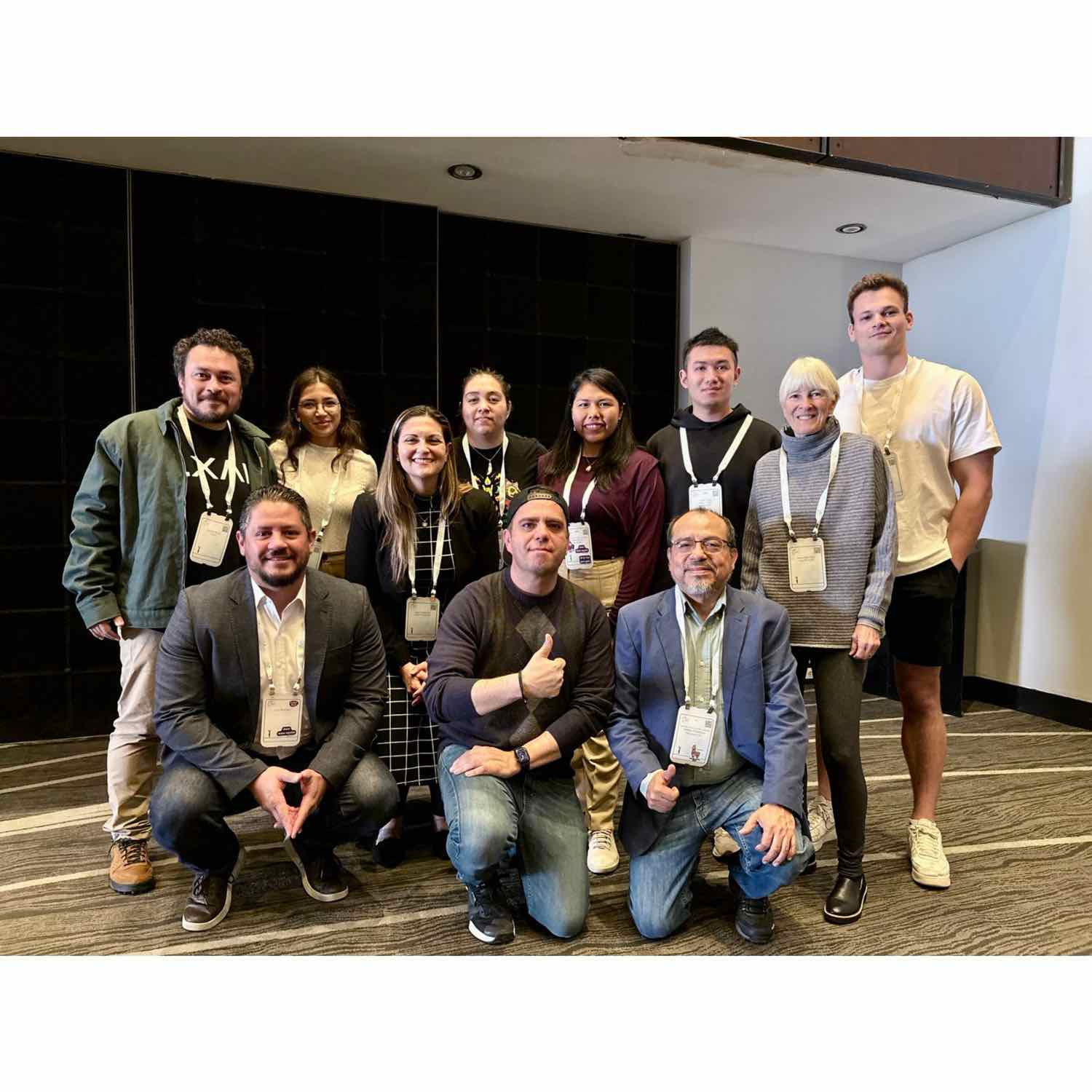
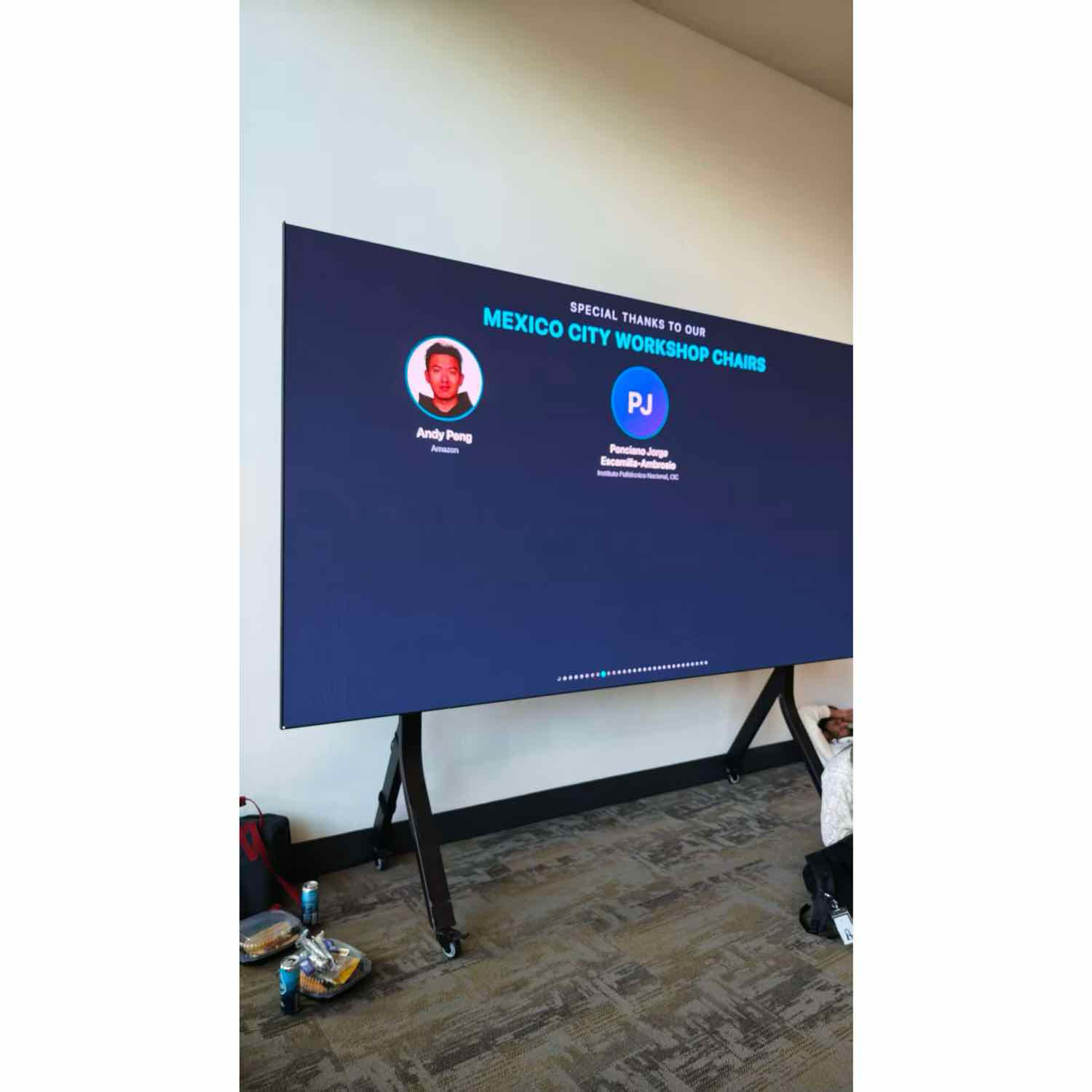
People approached me to say they had seen my photo on the opening ceremony screens at the San Diego venue, with special recognition for my role as Workshop Chair. Their thanks meant more than I expected. But I'm the one who should be thankful. Thank you to NeurIPS for giving me the opportunity to contribute back to the academic community in a meaningful way, to help make the conference more accessible, and to support researchers navigating complex challenges.
This experience reinforced why this work matters. Beyond the papers and the posters, beyond the industry networking and the career opportunities, conferences like NeurIPS serve a fundamental purpose: bringing together minds from across the world to share ideas and advance our collective understanding. When we can make that more inclusive and accessible, we all benefit.
Thank you, NeurIPS.
